Online Casino Scams: The Warning Signs Players Should Never Ignore

Online gambling has become easier to access, but that convenience has also created opportunities for dishonest operators. A polished website, generous welcome offer, or professional-looking game lobby can make a platform appear legitimate even when important safeguards are missing. Scam casinos often rely on urgency, vague terms, and aggressive promotion to encourage deposits before players have time to investigate. The most effective protection is not technical expertise but careful observation. Knowing what trustworthy operators normally disclose makes unusual behavior easier to recognize before money or personal data is put at risk.
Start by Checking Who Operates the Platform
A legitimate casino should make basic corporate and licensing information reasonably easy to find. Players who compare operators through resources such as see on Tribuneonline Casino can also get a broader sense of what normal industry transparency looks like. Warning signs include missing company details, unverifiable licence claims, copied legal pages, or a support team that refuses to answer straightforward questions about ownership. Fraudulent sites often hide behind generic brand names and provide only an email form. If the operator cannot clearly explain who runs the service and under which legal framework it operates, depositing money becomes an unnecessary gamble.
Unrealistic Bonuses Often Hide Expensive Conditions
Promotions are a normal part of online casino marketing, but offers that look dramatically better than the rest of the market deserve scrutiny. A scam platform may advertise huge match bonuses or hundreds of free spins while burying restrictive withdrawal rules in difficult terms. Common traps include unusually high wagering requirements, maximum cashout limits, short expiry periods, and bonus clauses that allow winnings to be cancelled. Players should read the full promotion conditions before accepting any offer. A smaller bonus with transparent rules is usually more valuable than a spectacular headline that becomes almost impossible to convert into withdrawable funds.
Withdrawal Problems Are a Serious Red Flag
Delays do not always mean fraud, because casinos may carry out identity checks or payment reviews. The warning sign appears when the operator keeps changing its explanation, repeatedly asks for documents already supplied, or adds unexpected conditions after a withdrawal request. Scam sites may also pressure players to cancel withdrawals and continue gambling. A reliable casino should publish clear processing times and explain verification requirements in advance. If complaints consistently describe blocked balances, unexplained account closures, or withdrawals that remain pending for weeks, those reports should be treated as evidence of a potentially serious problem rather than isolated frustration.
Poor Security Can Expose More Than Your Deposit
Casino accounts often contain sensitive information, including names, addresses, payment details, and identity documents. A suspicious platform may use weak website security, unclear privacy policies, or questionable payment pages that redirect users to unfamiliar services. Players should pay attention to whether the site uses secure connections, recognized payment processors, and clear privacy information. They should also avoid sending identification documents through informal channels such as messaging apps. Even when the amount deposited is small, the personal data shared during registration or verification can be valuable to criminals, making security standards just as important as game selection or promotional value.

As a Senior Systems Engineer, Mindaugas is recognised by both customers and his peers as a professional that has strong knowledge of difference aspects of EUC. He specializes in Microsoft, Citrix and Nutanix technologies, as well as different endpoint solutions such as Intune and various thin client vendors.
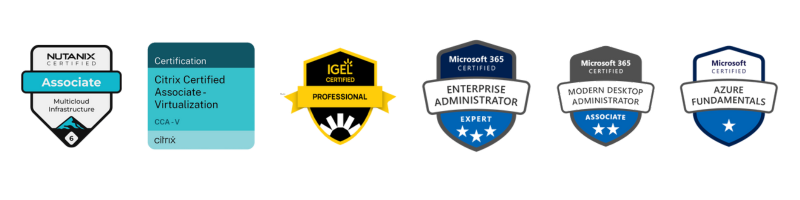

As a Senior Systems Engineer, Mindaugas is recognised by both customers and his peers as a professional that has strong knowledge of difference aspects of EUC. He specializes in Microsoft, Citrix and Nutanix technologies, as well as different endpoint solutions such as Intune and various thin client vendors.