Mostplay Partner: How to Become an Affiliate
Becoming a Mostplay partner affiliate usually starts with applying, passing basic checks, and then promoting offers with tracking links that report results to the platform, via Mostplay partner.

Meet the Basics of Affiliate Partnerships
Mostplay partner programs are designed for publishers who can send qualified players to the brand. In practice, the role is simple: you drive traffic, users register or place bets, and the system attributes those actions to your referral link. Eligibility can vary by region, but most programs look for consistent traffic sources and acceptable content standards. You should also expect to provide contact details, traffic plans, and sometimes proof of audience ownership.
What “Partner” Means in This Setup
On an affiliate network, “partner” usually refers to the account that receives commission based on user activity. Notably, attribution typically relies on a tracking ID in your link, plus cookies or session identifiers. That means you should avoid practices that break user journeys, such as misleading redirects or unrelated landing pages. A clean funnel, from ad or post to the registration page, improves both compliance and conversions.
Common Requirements You’ll See
Many affiliate programs ask for a verified email, a website or content channel, and an overview of how traffic will be generated. Some partners promote through SEO articles, while others rely on social channels, email newsletters, or comparison pages. As a rule, content must not target restricted audiences or use prohibited claims. To be safe, prepare screenshots of your pages, a short traffic description, and a plan for responsible promotion.
Two Practical Scenarios to Plan For
Scenario one: a sports blog publishes match previews and includes a clear “how to play” guide with a disclosure near the call-to-action. Scenario two: a Telegram channel posts daily odds summaries and uses a pinned message with a single, branded landing link. Both can work, but the second needs careful moderation to avoid spam behavior. Scenario three: a small YouTube creator runs a tutorial series and places the affiliate link in the description, then updates it when campaigns change.
Apply, Set Up Tracking, and Get Approved
The application process is often quick if the submitted information is coherent and complete. Start by choosing a primary traffic channel, because affiliate managers tend to evaluate fit, not just numbers. You may be asked to describe your audience, geographies, and typical content formats. After submission, approval usually depends on whether the platform can trust your promotion method and verify that your pages match the program’s rules.
Prepare the Details They Actually Check
Most reviewers look for clarity: where the visitor will land, what the content says, and how the link is presented. If the plan includes ads, expect questions about targeting and ad copy. If the plan includes content marketing, expect questions about indexing, publishing frequency, and whether pages are original. To be fair, a simple site with a few high-quality pages can pass more easily than a large site with thin content.
Use Affiliate Links Correctly
Once approved, the account should provide tracking links and sometimes campaign-specific parameters. You should test the link in an incognito window to confirm that attribution works end to end. Then, update your pages with the correct link version, especially if the program rotates offers or regions. A common mistake is leaving old links in older posts, which can cause misattribution and lost commission.
Verify Your Setup Before You Scale
Before pushing traffic, confirm that the landing pages match the promise in your content. If you promote “deposit bonuses,” the landing page should clearly show those terms, not a generic homepage. Use analytics tools like Google Analytics to track clicks and measure conversion rate trends. Even without perfect data, monitoring click-through and sign-up rates quickly shows whether the funnel is aligned.
Choose Promotion Channels That Fit the Audience
Mostplay partner affiliates perform best when promotion matches user intent. SEO content targets people researching strategies or reviews, while comparison pages attract users ready to decide. Social promotions can work, but they need a consistent theme and careful wording to avoid unrealistic expectations. Email newsletters work well if they provide value, such as calendar reminders, training tips, or responsibly framed announcements.
Build Content and Drive Qualified Players
Affiliate success is rarely about volume alone; it’s about relevance and trust. Create content that explains how the product works, what players can expect, and how to get started safely. Include disclosures such as “affiliate link” near the recommendation, where your audience can see it. Over time, consistent publishing and careful updates tend to outperform one-off posts.
Content Ideas That Usually Convert
Guides, tutorials, and “how to start” articles often convert because readers want clarity. A well-structured review page can include screenshots, feature summaries, and a short checklist of what to do after registration. Notably, the best pages avoid hype and instead focus on practical steps, such as verification, payment methods, and account settings. Another effective format is a glossary of betting terms paired with a beginner-friendly onboarding path.
Examples of How to Promote Without Breaking Rules
Example one: a “beginner odds” article can include a short section called “Getting started” and then a single affiliate link. Example two: a comparison table can list supported features and show the affiliate link next to the recommended option, with clear labeling. Example three: a short video can point viewers to a description link and include a brief disclosure in the first minute. These approaches keep the message aligned and reduce the chances of complaints or account restrictions.
Track Performance and Improve Weekly
Start with a baseline: measure clicks, registrations, and any visible conversion signals in your dashboard. Then, adjust one variable at a time, such as changing the CTA placement or rewriting the introduction. If a page gets clicks but few sign-ups, the landing message may not match expectations, or the audience may be wrong. If sign-ups happen but engagement is low, the content may be too broad and should be narrowed to a specific user need.
Set Up a Simple Routine for Updates
Affiliate offers can change, so pages need periodic refresh. A practical routine is to review top-performing pages every two to four weeks and update bonus explanations, screenshots, and any “step-by-step” instructions. Also check that your links still point to the correct campaign. If the program provides a partner portal, use it to monitor announcements and new materials; for example, you can often find guidance inside https://betwinnerpartenaire.com/en/.
Stay Compliant and Protect Long-Term Earnings
Compliance keeps the account stable, and stability is what makes income predictable. Avoid misleading claims, hidden affiliate links, and aggressive pop-ups that interrupt user decisions. If the program has specific brand guidelines, follow them exactly and keep your formatting consistent across pages. Additionally, respect user privacy and data handling rules for any tracking pixels or email capture forms you run.
Quality Signals That Help Approval and Retention
Reviewers tend to respond well to transparent content and consistent publishing. A site that clearly explains what it does, who it targets, and how recommendations are made often earns trust faster. Not every channel needs a large audience, but every channel needs legitimate engagement. Keep your contact information accessible, and make sure your pages load properly on mobile devices.
Common Pitfalls to Avoid
One frequent issue is promoting through scraped content or copied pages, which can lead to rejection. Another issue is using unrelated keywords that attract the wrong visitors, causing low conversion and higher refund rates. Also watch for expired landing pages or outdated terms that no longer apply to current offers. Finally, do not rely on multiple overlapping redirects that can interfere with tracking.
How to Expand After the First Wins
Once conversions are stable, expand by creating supporting content around the same keywords and audience questions. For example, a beginner guide can be followed by separate pages on “payment methods,” “account settings,” and “responsible play.” Then, diversify formats: add a short FAQ section, a checklist download, or a seasonal update page. The goal is to increase qualified entry points without diluting the message that brought users in the first place.

As a Senior Systems Engineer, Mindaugas is recognised by both customers and his peers as a professional that has strong knowledge of difference aspects of EUC. He specializes in Microsoft, Citrix and Nutanix technologies, as well as different endpoint solutions such as Intune and various thin client vendors.
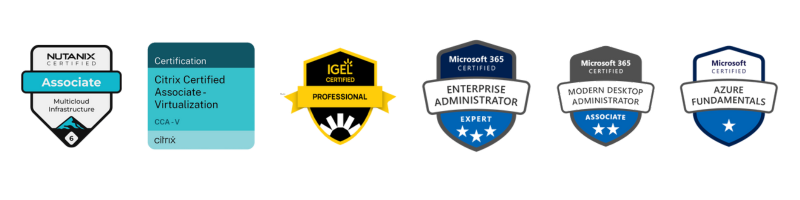

As a Senior Systems Engineer, Mindaugas is recognised by both customers and his peers as a professional that has strong knowledge of difference aspects of EUC. He specializes in Microsoft, Citrix and Nutanix technologies, as well as different endpoint solutions such as Intune and various thin client vendors.