Jaya9 Quick Start Guide
If you want to get Jaya9 running fast, you mainly need three things: an account, the right setup steps, and a safe first test. This guide walks you through the quickest path from “nothing installed” to “you can use it confidently.” Along the way, I’ll point out the small mistakes that usually slow people down.

Start by checking that your device meets the basics: stable internet, a modern browser, and enough storage for whatever features you turn on. If you’re already ready to create your access, you can begin with joya9 and then follow the on-screen prompts without overthinking every option.
Set Up Jaya9 in Under an Hour
For most people, this phase takes 20 to 45 minutes, assuming your login details are handy. In practice, the fastest route is to complete the core sign-in first, then configure only what you need for day one. If you try to fine-tune everything immediately, you’ll spend time chasing settings instead of learning the workflow. Also, keep a screenshot of any confirmation code you receive, just in case you need it later.
Create your account and verify access
When you create your account, expect a verification step such as an email code or a one-time confirmation message. Use a real inbox you can access, because delays here are the most common reason people think the system is “broken.” After verification, log out and back in once; it’s a simple check that your session is stable. To be fair, some browsers cache old sessions, so a fresh login can save you from confusing errors.
Choose a simple first configuration
Before you explore advanced options, pick a straightforward configuration that matches your goal. For example, if you’re testing personal workflows, start with default notifications and a basic profile; if you’re working for a small team, set role-based permissions early. You can usually adjust these later, but getting the structure right now prevents rework. Notably, enabling too many features at once can clutter your dashboard and make it harder to see what’s actually working.
Run a basic test workflow
After setup, do one short action end-to-end. Create a sample item, apply one common setting, and verify that the system responds within a reasonable timeframe for your connection. As a rule, you should see confirmation feedback immediately, and any “processing” state should clear quickly on a stable network. If the test fails, don’t panic—check your browser permissions, then retry with a fresh tab.
- Example 1: Create a sample record, save it, and confirm it appears in your list.
- Example 2: Turn on one notification type, then verify you receive the message within minutes.
- Example 3: Invite a second user (if available), assign a basic role, and confirm access works.
Get Productive: Daily Use and Common Fixes
Once your first test works, you’ll want a repeatable routine. The goal is to keep the interface predictable, so you can spend time on tasks rather than navigation. I’ve seen people lose hours because they change multiple settings at once, then can’t remember what caused the shift. So, adjust one thing, test it, and only then move on.
Use the main dashboard efficiently
Open your dashboard and identify three areas: your current items, your recent activity, and your quick actions. Pinning or bookmarking key pages helps more than you’d expect, especially if you return to the same workflow daily. If your dashboard offers filters, start with one saved filter like “Today” or “Open items.” Later, you can add more filters, but the first pass should stay simple so you don’t miss anything.
Set up the mobile workflow
If you plan to use Jaya9 on the go, configure the mobile path early. Many users prefer to start with joya9 app so they can check status updates without opening a full browser. In practice, mobile setup is usually quick, but it depends on your device’s notification permissions and background data settings. Before you rely on it, confirm you can receive a test alert and that the app loads your latest data.
Fix the top issues without wasting time
When something looks off, troubleshoot in the order that saves time. First, refresh the session by logging out and back in, then verify your browser or app is updated. Next, check network stability and try a different connection if possible, like switching from Wi-Fi to mobile data. Finally, review any permission prompts you may have dismissed, because blocked permissions can mimic “login” failures.
Secure Login and Account Safety
After you’ve set up daily use, the next step is protecting access. You don’t need complicated security to start—just consistent habits and a couple of checks. Keep your recovery options current and avoid logging in from random devices you don’t control. If you’ve ever been locked out after changing phones, you know how painful that can be.
Know where login happens
For sign-ins, use the standard entry point and avoid unofficial pages or copied forms. If you need a direct path for returning users, start from joya 9 login and verify you’re on the correct screen before entering credentials. This prevents the classic mistake of typing your password into the wrong prompt, which can happen when search results look similar.
Strengthen your account without friction
Use a strong, unique password and store it with a password manager if you can. Turn on any available extra verification method, especially if you notice repeated login prompts from new devices. Also, review your active sessions and sign out from anything you don’t recognize. If Jaya9 supports device management, keep it tidy—removing old devices reduces confusion later.
Two practical scenarios to stay ahead
Scenario one: you switch phones and forget to update recovery details, then can’t complete verification quickly; fix it by updating recovery options before you fully migrate. Scenario two: you share a device with someone else, and your browser keeps an old session; fix it by signing out and clearing site data after use. These are simple habits, but they prevent the majority of “I can’t log in” moments people run into during busy weeks. Keep your first test data and your recovery method together, and you’ll feel the difference the next time you need access fast.

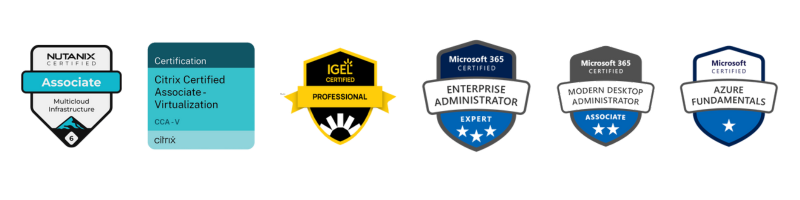
As a Senior Systems Engineer, Mindaugas is recognised by both customers and his peers as a professional that has strong knowledge of difference aspects of EUC. He specializes in Microsoft, Citrix and Nutanix technologies, as well as different endpoint solutions such as Intune and various thin client vendors.

As a Senior Systems Engineer, Mindaugas is recognised by both customers and his peers as a professional that has strong knowledge of difference aspects of EUC. He specializes in Microsoft, Citrix and Nutanix technologies, as well as different endpoint solutions such as Intune and various thin client vendors.